


Treating Hair Loss After Pregnancy What’s Normal and What’s Not

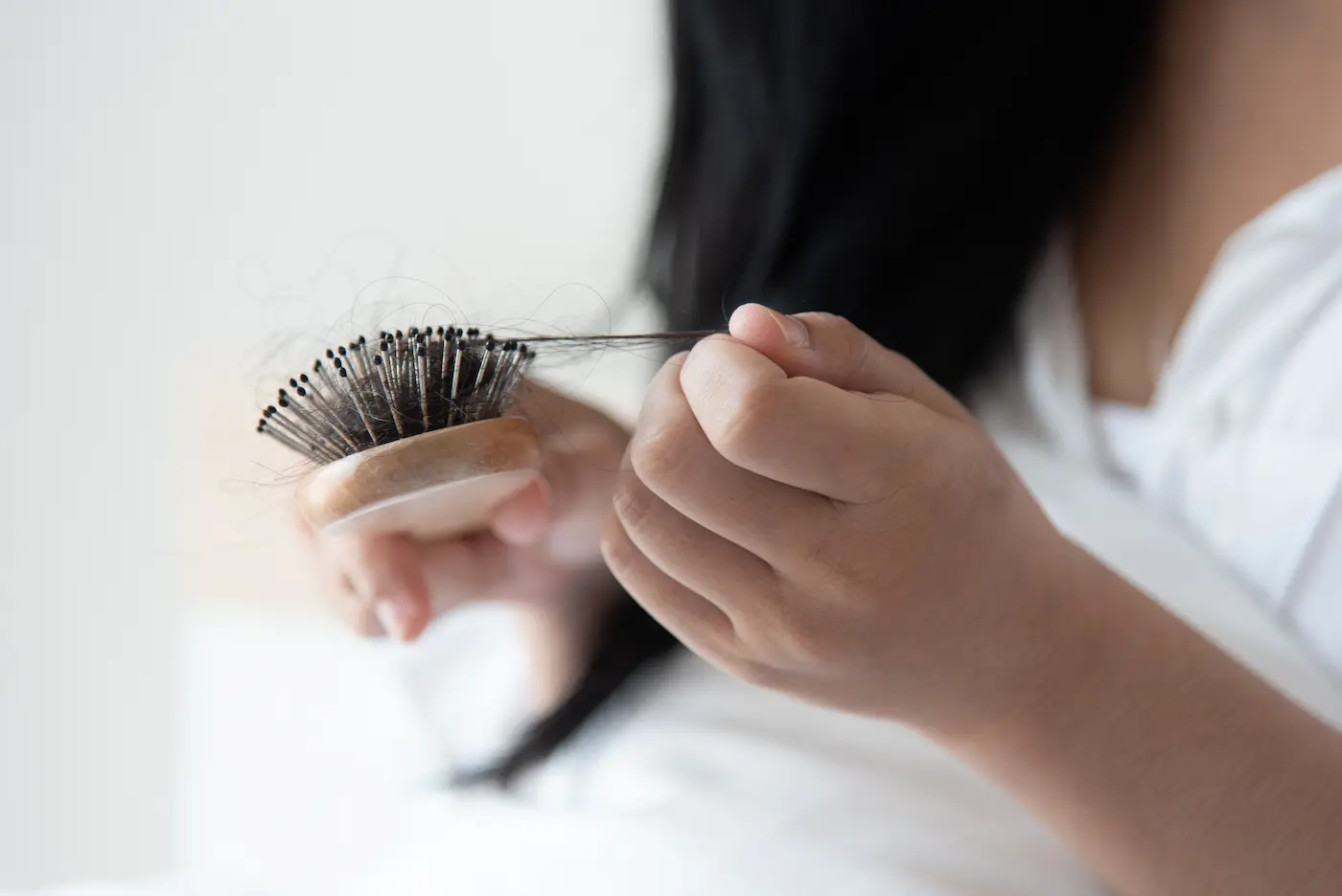
Pregnancy changes just about everything, including your hair. While many women enjoy thick shiny strands during pregnancy, the months that follow childbirth often bring a different experience. If your brush or shower drain is suddenly full of hair, you are not alone. At Decaturville Family Practice in Decaturville Tennessee we help women understand what is typical after pregnancy and when it might be time to seek treatment.
Why Hair Falls Out After Baby
During pregnancy hormones like estrogen increase, which can keep hair in the growing phase longer. That is why many women feel like their hair is fuller while expecting. After childbirth those hormone levels drop and the hair that was being held in place begins to shed. This process is called postpartum telogen effluvium and it typically starts around two to four months after delivery.
For most women this phase is temporary and hair begins to regrow within several months. However the amount of shedding can feel dramatic and concerning, especially when paired with other postpartum changes like sleep deprivation and stress.
When Hair Loss Might Be More Than Hormones
It is important to know that while postpartum shedding is common, it is not always the full story. For some women hair loss continues well past the six month mark or begins to thin in specific areas like the crown or temples. This may signal an underlying issue that needs to be addressed.
Common causes of extended hair loss after pregnancy include thyroid imbalances, iron deficiency, elevated stress levels, or hormonal shifts that do not reset as expected. If your hair is not bouncing back or you are noticing bald spots or scalp sensitivity, it is worth exploring treatment.
At Decaturville Family Practice in Decaturville Tennessee we offer thorough evaluations to uncover the root of persistent postpartum hair loss. We look at your nutrient levels, hormone balance, and overall health to see what your body may need to restore hair growth naturally.
How We Treat Postpartum Hair Loss
If your body is low on key nutrients, we may recommend IV therapy or supplements to help replenish what has been lost through pregnancy, breastfeeding, or lack of sleep. For targeted scalp support we offer Alma TED, a noninvasive treatment that uses sound waves and air pressure to deliver growth stimulating serum directly into the skin. This improves blood flow and encourages follicles to reenter the growth phase.
We often combine TED with Nutrafol supplements, which are specially formulated to support hair regrowth by addressing stress, inflammation, and nutrient gaps. These two treatments work together to strengthen hair from the inside and outside, speeding recovery and boosting confidence during a time that already feels overwhelming.
You Are Not Alone and You Do Not Have to Wait
Hair loss after pregnancy is a deeply emotional experience. It can affect how you see yourself and how you feel stepping back into your daily routine. While some shedding is expected, that does not mean you need to wait and hope for the best.
At Decaturville Family Practice in Decaturville Tennessee we are here to support you with care that is compassionate, personalized, and proven to work. If you are ready to take control of postpartum hair loss, we will walk with you every step of the way.
Read More Blogs!
Stay updated with the latest blog posts and engage with our community.